Accredited Commercial LPG Engineers
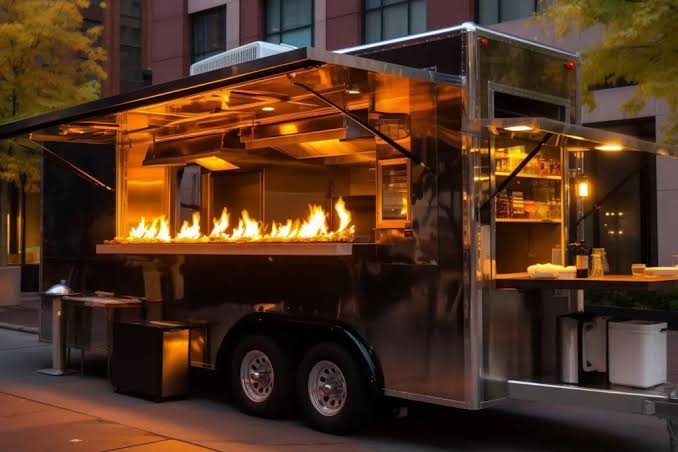
Mobile Catering CP44 Gas Safety Certificate in Manchester
Mobile catering businesses that rely on LPG systems must maintain high safety standards to protect staff, customers, and property. A CP44 gas safety inspection assesses the condition of gas appliances, regulators, pipework, and ventilation systems within the catering unit. Holding an up-to-date CP44 certificate demonstrates compliance with industry safety requirements and supports the safe operation of your business.
We provide annual CP44 LPG inspections for food trucks, catering trailers, horseboxes, market stalls, and mobile catering businesses throughout Greater Manchester.
We provide CP44 inspections across Manchester, Salford, Stockport, Bolton, Bury, Rochdale, Oldham, and surrounding areas.
How a Mobile Catering LPG Safety Inspection Works
Understanding Your Mobile Catering LPG System
A professionally installed LPG system in a mobile catering unit includes several key safety components. Explore each stage of the gas flow process to learn how inspections help maintain safe and reliable operation.
LPG Gas Cylinder
Gas cylinders should be stored upright in a dedicated, well-ventilated compartment away from cooking equipment. During inspection, cylinder condition, security, and storage compliance are carefully assessed.
Flexible Hose Assembly
Flexible gas hoses connect the cylinder to the gas system. We check for signs of wear, damage, age, and secure connections to ensure safe LPG delivery.
Gas Pressure Regulator
The regulator controls gas pressure for consistent appliance performance. Our inspection verifies correct operation and confirms that all safety protection features are functioning properly.
Emergency Shut-Off Valve
An easily accessible isolation valve allows the gas supply to be switched off quickly in an emergency. We ensure the valve is clearly identified and operates effectively.
Copper Gas Pipework
Fixed gas pipework distributes LPG throughout the catering unit. We test the system for leaks, damage, and pressure integrity to maintain safe operation.
Catering Gas Appliances
Gas-powered fryers, grills, ovens, and other appliances are inspected for safe performance. Safety devices, burner operation, and combustion efficiency are checked to help reduce potential risks.
CP44 LPG Safety Quote Calculator
Get an instant estimated price for your mobile catering LPG inspection.
Estimated Price
Base Inspection: £149
Vehicle: Included
Extra Appliances: Calculated Automatically
LPG Cylinders: Calculated Automatically
This is an estimated price only. Your final quotation will be confirmed before your inspection is booked.
All quotations are confirmed before your inspection is booked. No hidden charges.
Why Choose Gas Safety Certificates MCR for CP44 Inspections?
Our Gas Safe registered engineers are qualified to inspect commercial LPG systems used in mobile catering vehicles. Every inspection is completed with a strong focus on safety, compliance, and reliable certification, giving you confidence that your catering unit meets current industry standards.
Gas Safe Registered Engineers
Qualified professionals experienced in commercial LPG inspections for mobile catering businesses.
Fully Compliant Inspections
Every inspection is completed in line with current UK gas safety regulations and recognised industry standards.
Fast Certification
Receive your CP44 Gas Safety Certificate promptly after a successful inspection.
Trusted Local Service
Providing reliable mobile catering LPG inspections throughout Manchester and the surrounding areas.
Qualified Engineers for Commercial LPG Systems
Our engineers hold the appropriate Gas Safe registrations and commercial LPG qualifications required to inspect mobile catering gas installations safely. We are trained to assess a wide variety of LPG appliances and catering equipment commonly found in food trucks, catering trailers, horseboxes, and mobile kitchens.
Our inspections include gas pipework, pressure regulators, safety devices, ventilation systems, commercial cooking appliances, and associated LPG equipment. Every inspection is carried out in accordance with current UK gas safety regulations and recognised industry best practices.
Frequently Asked Questions About CP44 Certificates
Find answers to the most common questions about CP44 gas safety certificates, LPG inspections, legal requirements, and the certification process for mobile catering businesses
What is a CP44 Gas Safety Certificate?
A CP44 Gas Safety Certificate confirms that the LPG system and gas appliances in a mobile catering vehicle or trailer have been inspected and meet the required safety standards.
Who needs a CP44 certificate?
A CP44 certificate is recommended for operators of mobile catering vans, food trailers, street food units, and other mobile businesses that use LPG appliances.
How often should a CP44 inspection be carried out?
An annual inspection is generally recommended to help maintain safe operation and demonstrate ongoing compliance with relevant safety requirements.
What is included in a CP44 inspection?
The inspection typically includes checks of LPG pipework, gas appliances, ventilation, regulators, emergency isolation controls, and other key safety components.
What happens if a safety issue is identified?
If any faults are found, the engineer will explain the issue and advise on the necessary repairs before a certificate can be issued.
How long does a CP44 inspection take?
Inspection times vary depending on the size and complexity of the catering unit, but most CP44 inspections are completed within a few hours.
How much does a CP44 inspection cost?
Our CP44 inspections start from £149. The final cost depends on your vehicle type, number of LPG appliances, and cylinders. Use our online calculator for an instant estimate.
Book Your CP44 Inspection Today
Keep your mobile catering business safe and compliant with a professional CP44 LPG safety inspection. Fill in the booking form, and one of our team members will get in touch to arrange your inspection and answer any questions you may have.
Related Gas Safety Services
Looking for additional gas safety and property compliance services? Explore our other professional services available across Manchester and surrounding areas.
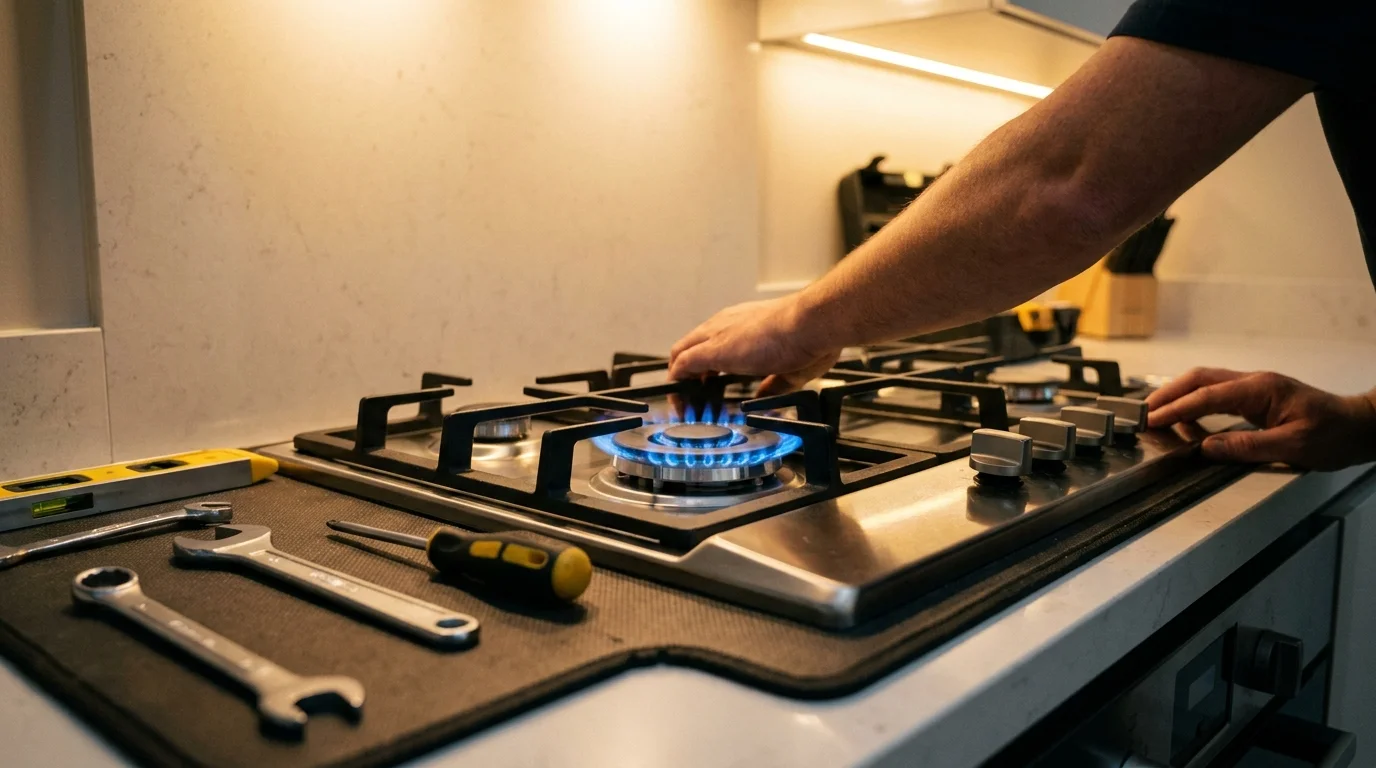
Gas Appliance Installation
Professional installation of LPG and natural gas appliances by Gas Safe registered engineers.
Commercial Catering CP42
Gas safety inspections for restaurants, cafés, hotels, pubs, and commercial kitchens.
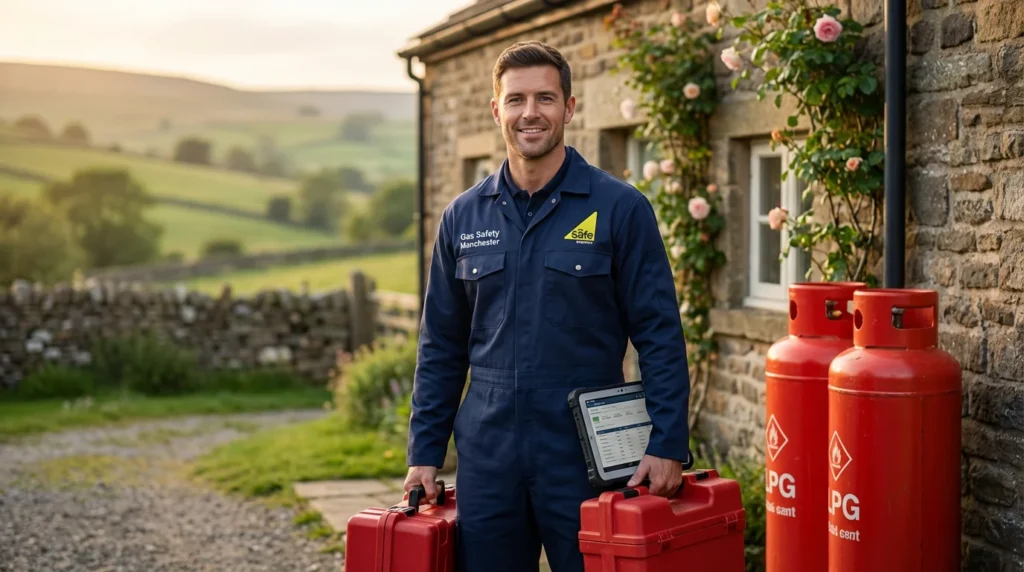
LPG Gas Safety Certificate
Professional LPG safety inspections for residential, commercial, and leisure properties.
Our Commitment to Safety and Professionalism
At Gas Safety Certificates MCR, safety, compliance, and quality workmanship are at the core of everything we do. Our qualified engineers follow current industry regulations and best practices to ensure every inspection, installation, and certification service is completed to the highest standards.




Company reg no: 14103048
Contact us
Phone : 07769338682
info@gassafetycertificatesmcr.co.uk
30 Beardsroad longsight M18 7GU
Your trusted partner for professional gas and safety services across Greater Manchester. Gas Safe registered and committed to excellence.
Quick Links
Home
About us
Services
Blog
FAQs
Contact
Al Safety Tips
Our Services
Gassafety Checks
Boiler Servicing
EPC Certificate
Appliance Installation
CP42 Certificates
LPG Gas Safety
GasCooker Instllation
CP44 Certificates
© 2026 Gas Safety Certificates. Created for free using WordPress and Kubio